
Hiring on Evidence, Not Resume Impressions
Release 1 of the AI Recruitment Manager adds competency blueprints to AI CPO requisitions, candidates whose every fact shows where it came from, resume reading with contact details and personal characteristics removed before the AI sees anything, evidence mapping with exact quotes and levels worked out by fixed rules, and a hiring pipeline where people make every decision. How each part works, what it refuses to do, an illustrative worked example, five scenarios and a step-by-step guide.
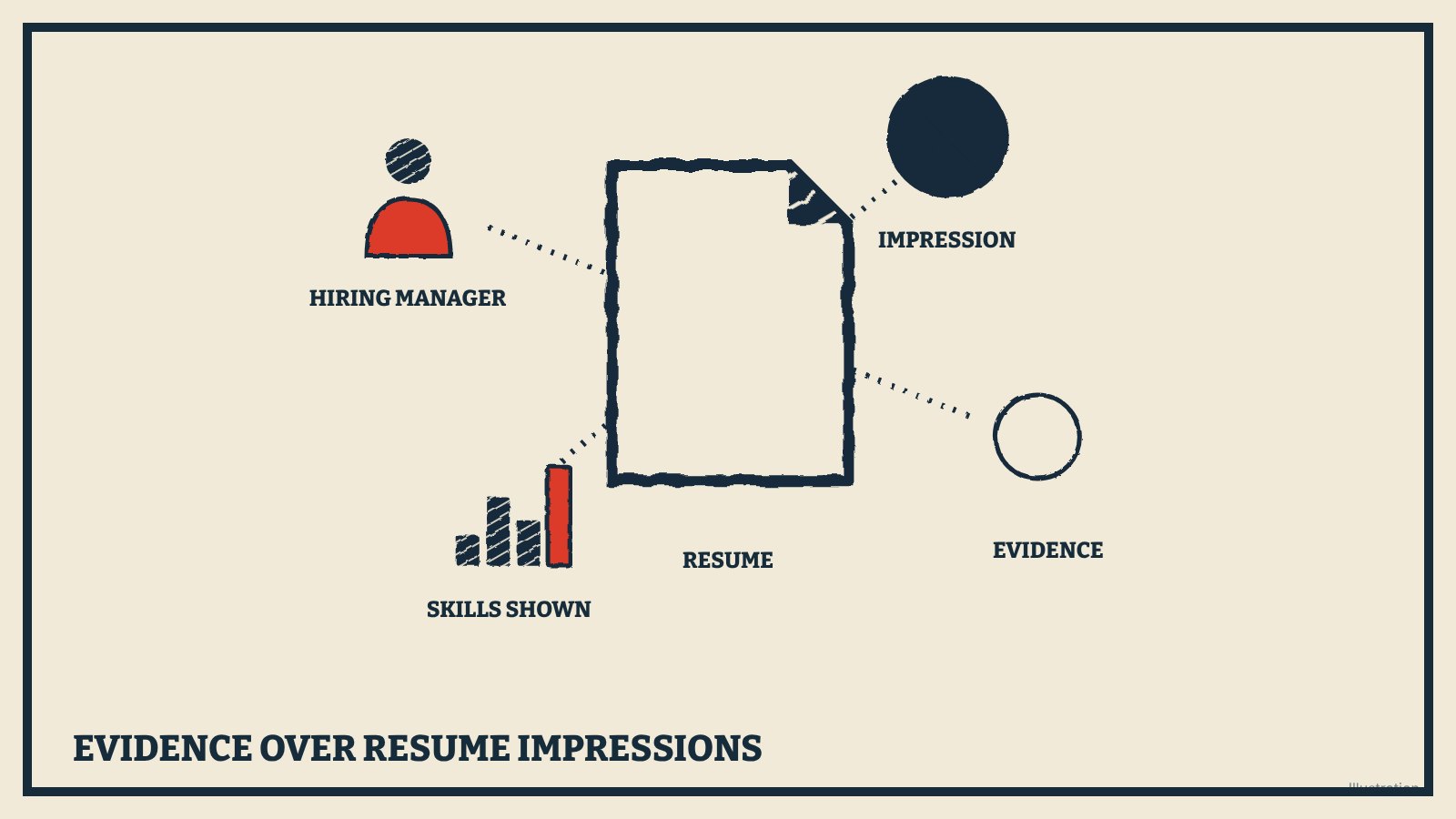
Most screening happens in about a minute per resume. A recruiter reads the top third, forms an impression, and moves on. The impression is shaped by things that have nothing to do with the job: a familiar university, a confident layout, a name, a graduation year that hints at age. Then an AI tool arrives and turns the same impression into a number, and now it looks objective.
Release 1 of the AI Recruitment Manager takes the opposite approach. You define the role by the competencies it needs, and someone else approves them. For each candidate you see what the resume actually evidences for each competency, in the resume's own words. You also see what's missing and what needs checking. Contact details and personal characteristics are removed before the AI reads anything. And nothing is ranked or decided automatically.
A few terms used in this post:
- Requisition: an approved request to hire, kept in the AI CPO. The AI Recruitment Manager builds on it rather than creating its own.
- Competency blueprint: the competencies a role needs, each with a weight, the evidence that shows it, and whether it's required.
- Provenance: where a fact came from. The candidate, the resume (with the exact words), a check someone did, or the AI.
- Evidence coverage: how much of the blueprint a resume shows, worked out by fixed rules. It isn't a suitability score.
The problem, in plain terms
Three things go wrong in early-stage screening.
- Criteria drift. "Senior support manager" means something different to each person reading the resumes, and nobody wrote it down.
- Impressions pass as facts. "Strong leader" ends up in the notes because the resume used the word "led", or because the candidate worked somewhere well known.
- Irrelevant signals leak in. Names, photos, dates of birth, nationalities and graduation years sit right there on the page, and people (and models) are influenced by them whether they mean to be or not.
An AI that scores resumes makes all three worse. It hides the criteria inside a model, it turns impressions into confident numbers, and it can learn exactly the shortcuts you were trying to avoid.
Part 1: competency blueprints
Requisitions already live in the AI CPO, with their own approval. The AI Recruitment Manager attaches a competency blueprint to each one:
- Competencies, each with a whole-number weight (the weights must add up to 100), what it means in this role, and what evidence shows it.
- Which competencies are required.
- Required and preferred qualifications, and optionally a minimum number of years of relevant experience.
- A job description.
You can ask the AI to suggest a blueprint from the requisition and any notes you paste in. It's a starting point: nothing is saved until you edit it and save it. Every save is a new version, and someone with approval rights who didn't write it approves it or asks for changes. Evidence is only ever mapped against an approved version.
Criteria that describe protected characteristics are refused, wherever they come from: a person typing them or the AI suggesting them. "Young team player", "under 30", "native speaker" and the like are all rejected. Ordinary job language is fine: "race conditions" and "single sign-on" don't trip the rule.
Part 2: candidates, and where every fact came from
A candidate is added with their contact details, where they came from (direct application, referral, agency and so on), the basis on which you hold their data, and a "keep until" date. Contact details and resumes are stored encrypted. People who can only view see masked e-mail addresses and phone numbers. The same e-mail address can't be added twice.
When you upload a resume (PDF, Word or text), two things happen before the AI reads it:
- Contact details, links and the candidate's name are removed.
- Lines that state personal characteristics are dropped. That covers date of birth, nationality, marital status, photos and similar.
The rule is deliberately narrow, so "Support lead at a health insurance company" stays in. The AI then lists facts, and each one is labelled:
| Label | Means |
|---|---|
| From the resume | The resume says it. The exact words are shown. |
| Provided by the candidate | They told you; nobody has checked. |
| Verified | Someone checked it, and how they checked is recorded. |
| AI-inferred — not verified | The AI suggested it, but the resume doesn't say it in those words. Treat it as a lead. |
The check is mechanical: a fact is "from the resume" only if its quote is actually found in the resume text.
Part 3: evidence mapping
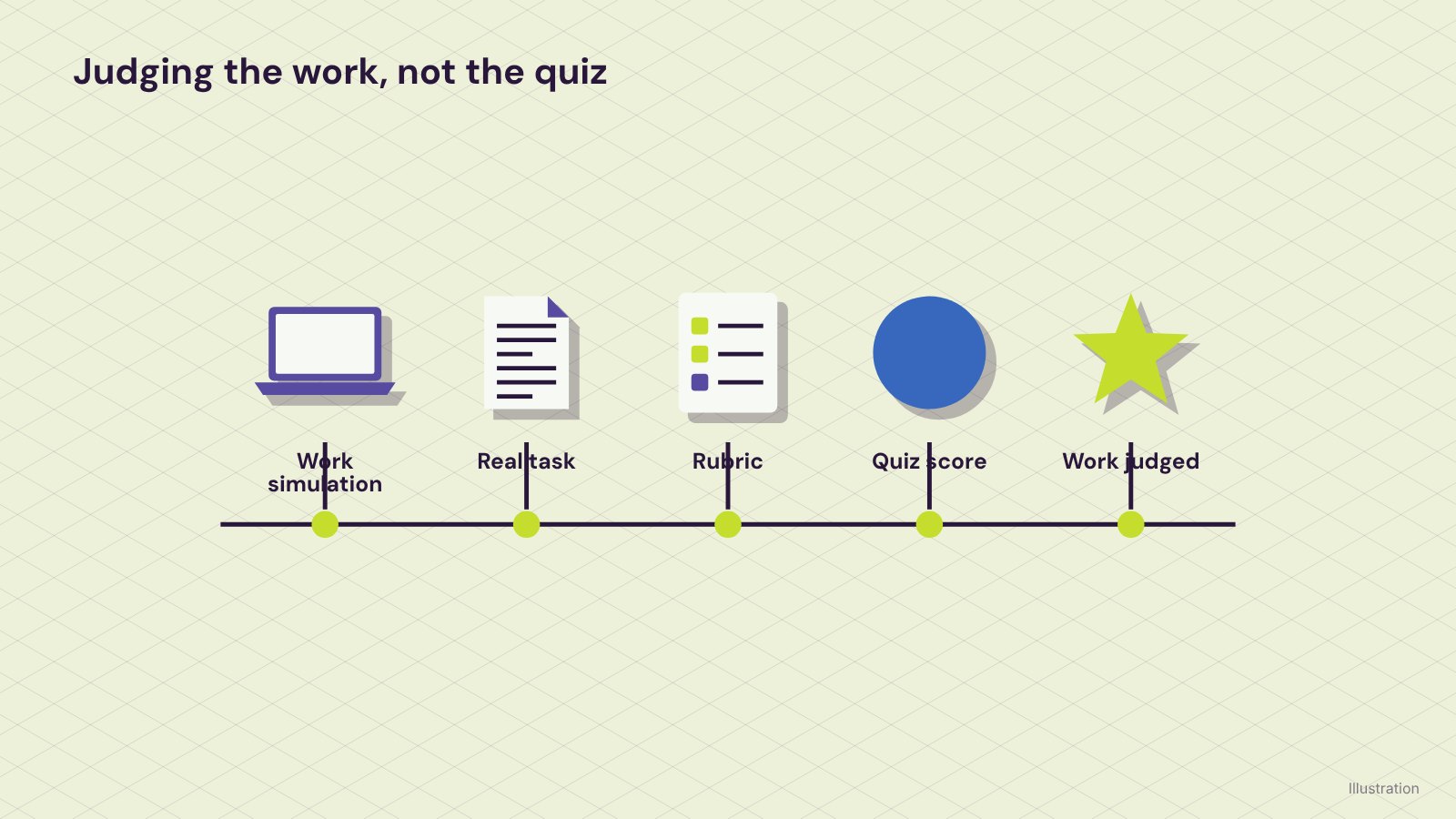
Open a candidate on a requisition and choose Map evidence. The AI reads the redacted resume and, for each competency, proposes quotes that show it, plus what a recruiter should check. It does the same for each qualification. It's explicitly told not to score, rank or judge suitability.
Then fixed rules take over:
- Any quote that isn't really in the resume is discarded. The screen tells you how many.
- A competency with two or more separate quotes is Supported, one is Partly supported, and none is Not demonstrated.
- Evidence coverage weights those levels by the blueprint. Supported counts in full, partly supported counts half.
- Required competencies with no evidence are listed at the top.
Every result also says what it can't tell you. It's based only on the resume and verified facts, and coverage is not a prediction of job performance.
The pipeline lists candidates by stage and then by when they joined, never by coverage.
Part 4: the pipeline, with people deciding
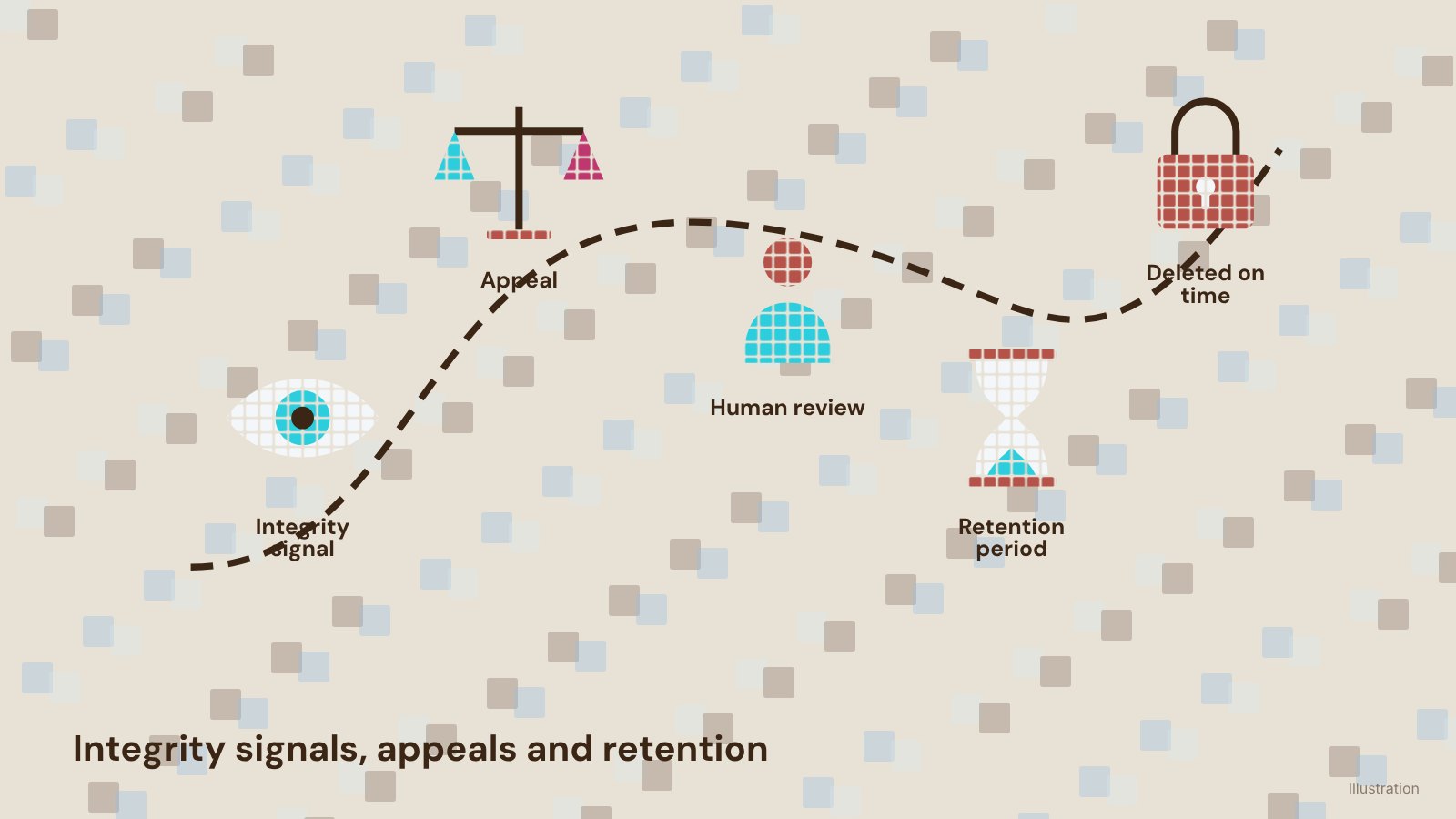
Candidates move through stages: new, initial review, shortlisted, assessments, interviews, decision pending. Declining needs a written reason, recorded with the name of the person who declined. Offer and hire stages are locked until the hiring decision workflow ships in a later release.
As candidates move, the AI CPO requisition's candidate, interview and offer counts update. The AI CPO still never shows candidate details.
Part 5: retention and deletion
Every candidate has a "keep until" date: 12 months by default, three years at most. Retention lists everyone past their date. Nothing is deleted automatically. Deleting a candidate erases their personal details, resumes, facts, evidence and pipeline history, and keeps only a record that a deletion happened, with the reason.
What it does, and what it doesn't
It does: attach approved competency blueprints to AI CPO requisitions; record candidates with the source of every fact; read resumes with personal details removed first; map evidence with exact quotes and levels set by fixed rules; run a pipeline where people make every decision; handle retention and deletion.
It doesn't, yet: run assessments, structured interviews or hiring decisions with approval, or hand a hire into AI CPO people records. Those are planned for later releases.
It never: ranks candidates, scores suitability, declines anyone automatically, or uses age, gender, ethnicity, religion, nationality, disability or family status.
A worked example, start to finish
This is an illustrative scenario, not a customer story.
A software company opens a "Support Manager" requisition in the AI CPO. The head of support asks the AI for a blueprint suggestion. She keeps four competencies: technical troubleshooting 35 (required), team leadership 30, incident management 20 and customer communication 15. She adds ITIL Foundation as a preferred qualification. The VP of Customer Experience approves version 1.
A recruiter adds a referred candidate and uploads their resume. The resume is 64 lines. Before the AI reads it, six lines go: the e-mail, phone, LinkedIn link, date of birth and nationality. The facts come back. Nine are "from the resume" with quotes, and one, "Kubernetes", is AI-inferred because the resume never says it. On a screening call, the recruiter asks about Kubernetes. The candidate confirms it, so she marks it verified, noting "asked in screening call".
She maps evidence. The AI proposes eleven quotes, and two aren't in the resume, so they're discarded. The result:
- Troubleshooting: supported.
- Leadership: supported.
- Incident management: partly supported.
- Customer communication: not demonstrated.
- Coverage: 75%.
- What to check: ask for an example of a customer escalation they handled.
She moves the candidate to shortlisted, and the AI CPO requisition now shows one candidate.
Five more real-world scenarios
Illustrative.
- A hiring manager who wants "culture fit". The blueprint asks for job-related competencies with evidence. "Fit" has to be written as something observable, like "gives clear written handovers", or it doesn't go in.
- An agency submitting twenty CVs. Each is added with the agency as the source, and duplicates by e-mail are caught. Evidence is mapped against the same approved blueprint for everyone.
- A candidate asks for their data to be deleted. The recruiter deletes them with that reason. Personal details, files and history are erased.
- A blueprint changes mid-search. Earlier mappings are marked as against an older version, so you know to map again before comparing.
- An auditor asks why someone was declined. The reason, who wrote it and when are on record. So is the evidence that was in front of them.
Do it in TicketResolve, step by step
- AI CPO → Hiring and requisitions. Create and approve a requisition, as you do today.
- AI Recruitment Manager → Requisitions → Open → Competency blueprint. Write or suggest the blueprint, save it, and have someone else approve it. (Competency blueprints)
- Candidates → Add candidate, then upload a resume. Check the labels on each fact and verify what matters. (Candidates, resumes and where facts come from)
- Requisition → Pipeline → candidate → Map evidence. Read the quotes, the gaps and what to check. (Evidence mapping and the pipeline)
- Move stages. Write a reason if you decline.
- Retention. Review candidates past their date and delete or extend. (Retention and deleting candidate data)
Roles: People · Recruiter works with candidates and drafts blueprints. People · Hiring manager also approves blueprints. View AI Recruitment Manager reads, with contact details masked. The AI Recruitment Manager is part of the AI CPO.
Frequently asked questions
Does it rank candidates? No. The pipeline lists candidates by stage and then by when they joined. Evidence coverage is shown per candidate, as how much of the blueprint their resume evidences, not as a rank or a suitability score.
Can the AI decline someone? No. Only a person can decline, and they must write a reason.
What does the AI see from a resume? The text with contact details, links and the name removed, and without lines stating personal characteristics such as date of birth or nationality.
What if the AI makes up a quote? It's discarded, because every quote is checked against the resume text, and the screen tells you how many were dropped.
Where are requisitions and employees kept? In the AI CPO, as before. The AI Recruitment Manager adds blueprints and candidates on top and doesn't create a second requisition or employee list.
Are there per-candidate charges? No. It's part of the AI CPO, with no per-candidate, per-resume or per-assessment fees.
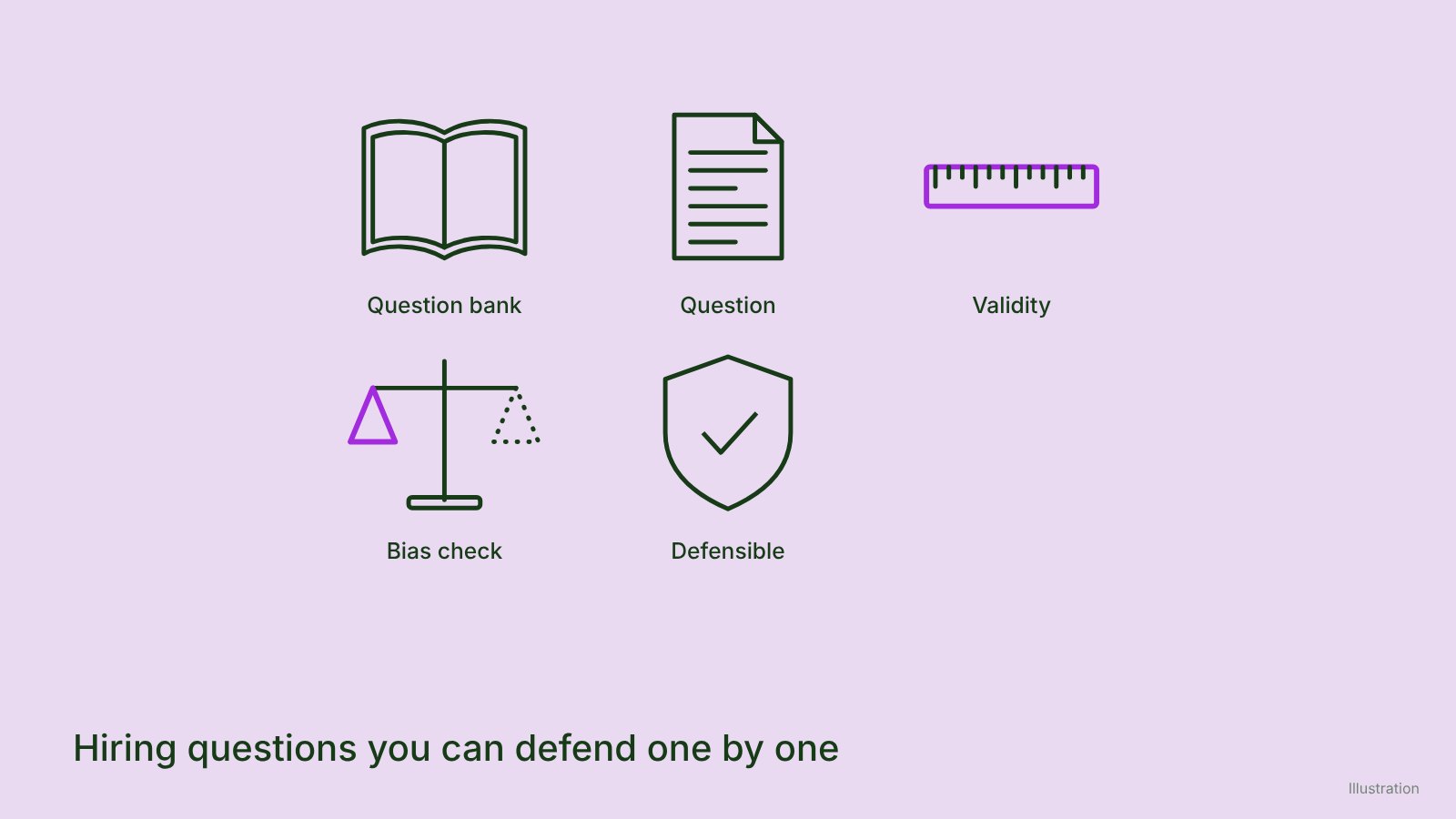
When do assessments arrive? In a later release. It's planned as an original question bank with human approval, a candidate portal with server-side timing, and scoring by fixed rules.
The short version
Write down what the job needs and get someone else to approve it. See what each resume actually shows, in its own words, and what still needs checking. Keep personal characteristics away from the AI, and keep every decision with people.
Explore Topics
Written by
Ghulam Shabbir
Content creator and writer sharing insights and stories.