
Release Readiness That Names Its Blockers
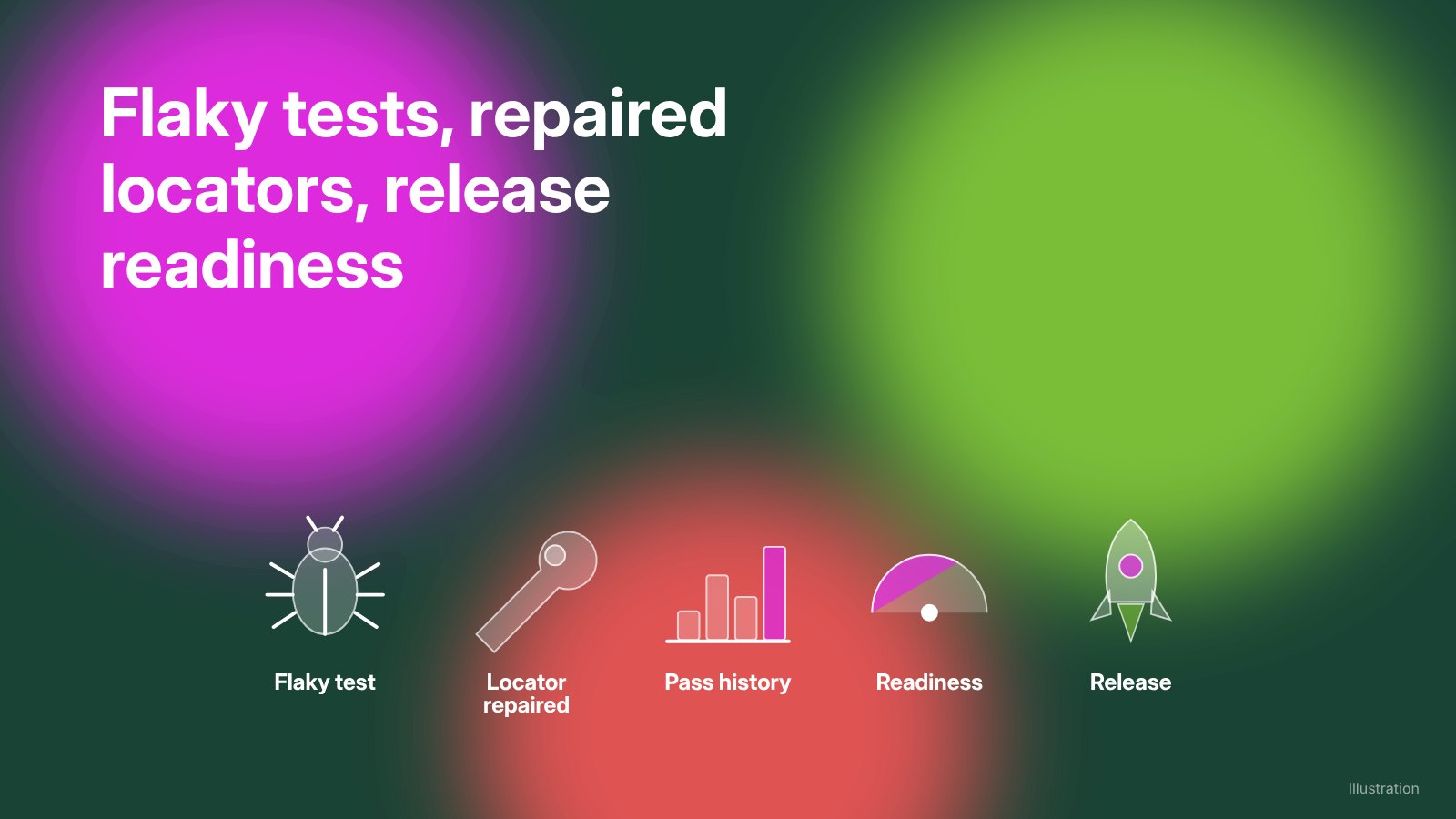
“Are we ready to ship?” usually gets answered by whoever is most confident in the room. Engineering Intelligence answers it with a list: defects and the ones customers found, a technical debt register ordered by payback, release readiness approved by someone else, and decision records and postmortems that keep hypotheses apart from facts.
At 16:00 on a Thursday, a release meeting at an HR software company decides whether version 8.4 ships on Friday. The engineering manager says the sprint is basically done. QA says tests are mostly passing. The product manager says customers are waiting for the new leave-approval feature. The most confident person in the room says ship it.
On Friday, 8.4 goes out. On Saturday, the leave-approval feature fails for any company with more than one approval level. It turns out:
- two stories in the sprint weren't finished, and one of them was the multi-level approval path;
- the regression run hadn't been done since Tuesday;
- three changes had been merged without review since the last release;
- there was an open critical incident on the notifications service, which leave approval uses.
All of it was knowable. None of it was on a list.
"Are we ready to ship?" usually gets answered by whoever is most confident in the room.
First, the basics
- A release is a version of the product made available to customers. It includes the work of a sprint, a label or an epic.
- A checklist lists what must be done before release: tests, a regression run, a rollback plan, monitoring.
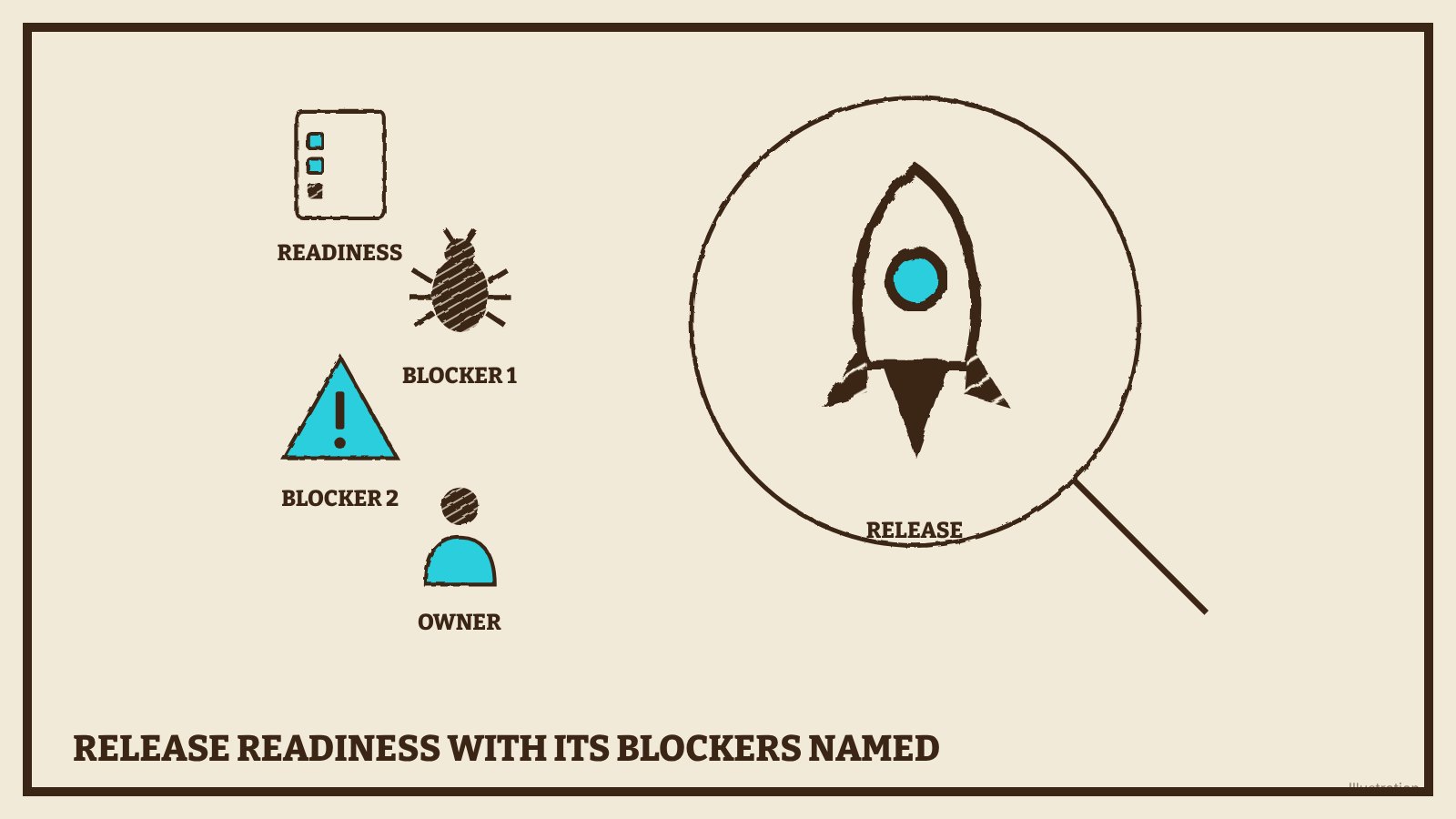
- A blocker stops a release: unfinished items, a required check not done, a critical incident open.
- A risk doesn't stop a release but should be weighed: open defects, unreviewed merges, large merges, failed deployments, a passed target date.
- A defect is a bug. Customer-found defects are the ones customers reported.
- Technical debt is a shortcut that costs time later. Payback compares the time it costs each week with the time to fix it.
- An architecture decision record (ADR) documents a technical decision and why it was made. Superseded means replaced by a newer decision.
- A postmortem reviews an incident: what happened, why, and what will change. A root cause is the underlying reason, which is a hypothesis until confirmed.
Why does this matter? Releases that go wrong cost customer trust, weekend work and rollbacks. A list of named blockers and risks, approved by someone other than the planner, replaces confidence with evidence. And debt and postmortems that are tracked and reviewed stop the same problems repeating.
The problem, in plain terms
- Readiness is a feeling, often the loudest person's.
- Checklists are forgotten under deadline pressure.
- Incidents on related services aren't connected to the release.
- Customer-found defects aren't separated from internal ones.
- Debt has no order, so the loudest item gets fixed.
- Postmortems state causes as facts, and decisions are edited after the fact.
Blockers and risks, not a score
A release includes the work of a sprint, a label or an epic, and carries a checklist: tests, a regression run, a rollback plan, monitoring. Readiness then names:
- what blocks it: unfinished items, a required check not done, a critical incident open on the service;
- what makes it risky: open defects, changes merged without review since the last release, large merges, a run of failed deployments, a passed target date.
Someone other than the person who planned it approves it, and only when nothing blocks it. Change it afterwards and it goes back to planning. Marking it released is a record; nothing here deploys.
Quality you can trace
Defects come from your tracker, with time to fix and the components they cluster in. The ones customers found are the defects support sent to engineering as known issues, shown with how many customers were affected. Next to them: how changes are merged, including the share merged with no review at all.
Debt with a payback time
Teams record debt with two rough numbers: hours it costs a week and days to fix. The register orders it by payback, with incidents and known issues attached as evidence. The numbers are estimates and labelled that way.
Decisions and postmortems, reviewed
- Architecture decision records are accepted by someone other than their author and superseded rather than quietly edited.
- Postmortems start from an incident's own timeline; the root cause stays a hypothesis until a person confirms it, and publishing needs a second reviewer and at least one action item.
A worked example, start to finish
Here's version 8.5 at the same company.
Monday. The engineering manager, Ola, opens Releases → Plan a release: 8.5, including sprint 31. The checklist: unit and integration tests, regression run, rollback plan, monitoring for the leave service.
Wednesday, 10:00. Readiness shows:
- Blocks: 2 unfinished items (multi-level approvals for public holidays, approval reminder e-mails); regression run not done; critical incident INC-552 open on the notifications service.
- Risky: 4 open defects in the leave component; 3 changes merged without review since 8.4; 1 large merge (1,900 lines); target date Friday.
Wednesday, 11:00. Ola can't send it for approval: things block it. The team finishes one item, moves the other to 8.6 (changing the release's scope, so it stays in planning), and reviews the three unreviewed changes after the fact.
Thursday, 09:00. The regression run is done and ticked. INC-552 is resolved. Readiness shows no blockers, two risks remaining (open defects, the large merge).
Thursday, 11:00. The head of engineering, who didn't plan the release, approves it with a note about the large merge: "monitor leave-service errors for 24h".
Friday. The team deploys through their pipeline, then Ola marks it released. Nothing in TicketResolve deployed it.
Following week, quality. Quality & debt shows the leave component has the most defects this quarter, and 4 customer-found defects from Support's known issues, affecting 310 customers. 9% of changes were merged without review.
Same week, debt. The team records a debt item: "Approval chain logic duplicated in three services": costs about 6 hours a week, about 8 days to fix, with INC-552 and two known issues attached. The register puts it near the top by payback. The numbers are labelled estimates.
Same week, postmortem. Ola starts a postmortem from INC-552's timeline. She writes the impact and the root cause: "notification queue exhausted after a retry storm". It stays a hypothesis until the platform lead confirms it with the queue metrics. She adds two action items and sends it for review; a second reviewer approves it, and it's published.
Same month, ADR. The team writes an ADR: "Centralise approval-chain logic in the leave service". The principal engineer, not its author, accepts it. When the design changes later, a new ADR supersedes it; the original stays visible.
Five more real-world scenarios
1. Approving your own release
Situation. The release planner tries to approve it.
How TR handles it. Someone other than the person who planned it must approve.
2. Changing scope after approval
Situation. A story is added to an approved release.
How TR handles it. It goes back to planning.
3. A postmortem with no actions
Situation. A team tries to publish a postmortem with no action items.
How TR handles it. Publishing needs a second reviewer and at least one action item.
4. Editing an accepted decision
Situation. Someone wants to quietly change an accepted ADR.
How TR handles it. ADRs are superseded, not edited.
5. Choosing which debt to fix
Situation. Three teams each want their debt fixed first.
How TR handles it. The register orders debt by payback, with evidence attached.
What a good release checklist includes
The checklist is what readiness checks against, so it's worth getting right once:
- Tests: the automated suite passed on the release candidate.
- A regression run: the tests that cover customer-critical paths, run after the last change.
- A rollback plan: how to undo the release, written before it's needed.
- Monitoring: what will be watched after release, and by whom.
Teams often add their own items, such as a security review for authentication changes or a migration dry run for database changes. Whatever's on the list becomes something readiness can name as a blocker when it isn't done.
Before and after
Before. A confident "ship it", two unfinished stories, a skipped regression run, unreviewed merges and an open critical incident, all discovered on Saturday.
After. A list of named blockers and risks, approval only when nothing blocks and by someone who didn't plan it, customer-found defects separated, debt ordered by payback, and postmortems that keep hypotheses apart from facts.
How to tell it's working
- No release is approved with blockers.
- Unreviewed merges fall as they show up on every release.
- Debt items are fixed in payback order.
- Postmortems publish with confirmed causes and action items.
Who it's for
- Engineering managers and release managers.
- QA leads who own regression and readiness.
- Heads of engineering who approve releases and prioritise debt.
How it fits with the rest of TicketResolve
This was phase 3 of Engineering Intelligence, after organisation and DORA metrics and delivery forecasts. Customer-found defects come from Support known issues; incidents come from incident management. Next came capacity, allocation and the engineering budget, then the AI Director. Continuous Documentation Intelligence shows documentation blockers on the same release readiness.
Mistakes to avoid
- Ticking the checklist without doing the work. Readiness is only as honest as the checklist.
- Confirming root causes without evidence. Leave them as hypotheses until you have it.
- Recording debt without evidence. Attach incidents and known issues.
Do it in TicketResolve, step by step
Where: Engineering Leadership → Releases and Quality & debt (/dashboard/engineering-leadership/releases). You'll need: Engineering Intelligence set up with a connected tracker, and an approver other than the planner. Full guide: Quality, debt, releases and postmortems.
- Read quality. Quality & debt shows defects created, fixed and open, the ones customers found, and how changes are merged: without review, reverts, hotfixes and large changes.
- Record debt. Record debt with a rough interest (hours lost a week) and effort (days). Link incidents and known issues as evidence; the register orders open items by payback.
- Plan a release. Releases → Plan a release: name it, say which sprint or label it includes, and tick the checklist as you go. Blockers and risks update on their own.
- Get it approved. Another approver approves it once nothing blocks it. Changing it afterwards returns it to planning. Mark it released after you deploy; nothing here deploys.
- Write the postmortem. Start one from a resolved incident, write the impact and root cause, confirm the root cause, add action items and send it for review.
How to check it worked: your next release shows no blockers at approval, a different approver from its planner, and a released record after deployment.
Frequently asked questions
What blocks a release? Unfinished items, a required check not done, or a critical incident open on the service.
What makes it risky? Open defects, unreviewed merges, large merges, failed deployments or a passed target date.
Who approves a release? Someone other than the planner, and only when nothing blocks it.
Does marking it released deploy anything? No. It's a record.
What are customer-found defects? Defects support sent to engineering as known issues, with how many customers were affected.
How is debt ordered? By payback, from hours lost a week and days to fix, both estimates.
When is a root cause confirmed? When a person confirms it. Until then it's a hypothesis.
Can an ADR be edited after it's accepted? No. It's superseded by a new one.
Can we add our own checklist items? Yes. Anything on the checklist that isn't done shows as a blocker.
Explore Topics
Written by
Ghulam Shabbir
Content creator and writer sharing insights and stories.