
Checking That Hiring Is Fair, Without Exposing Anyone
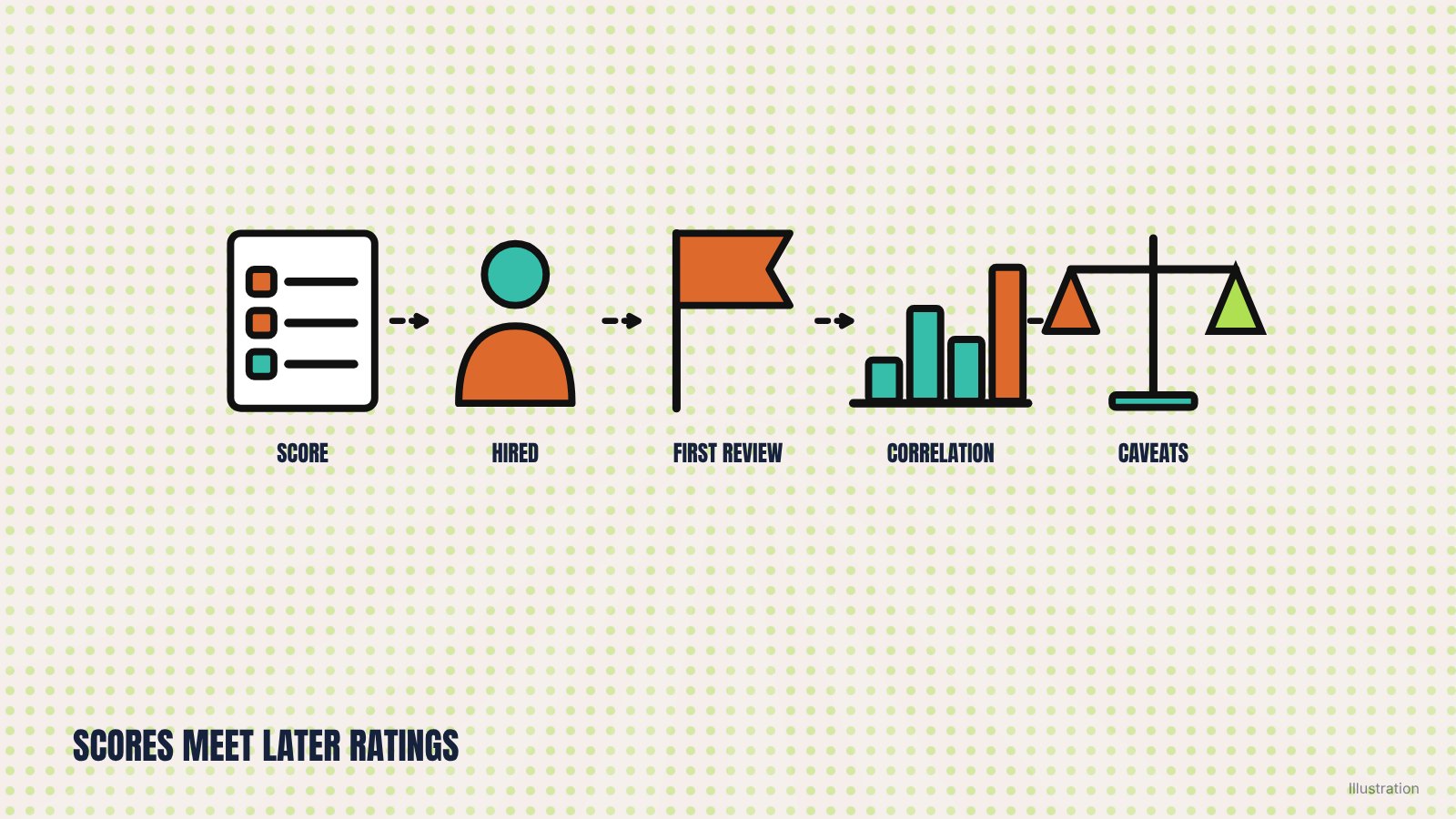
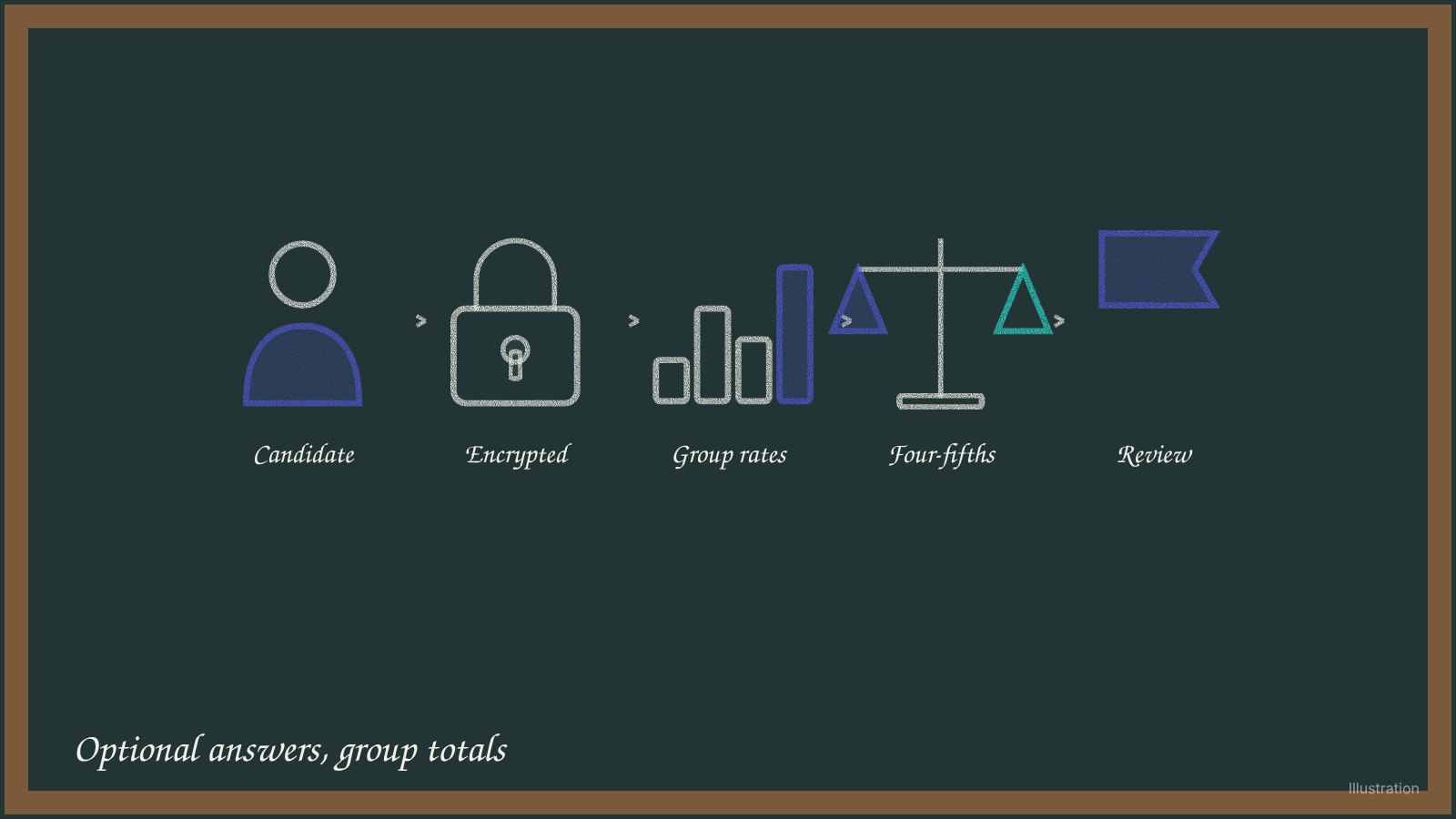
Candidates can now answer optional equality questions after an assessment, and approvers see pass and hiring rates by group with four-fifths flags. Answers are encrypted, kept apart from decisions and deleted after a year.
Release 7.158.0 completes the Intelligence Engine with the fairness half of IE5.
Why measure it at all
An assessment can be consistent, well calibrated and still work against one group of people. A biased question, a time limit or a pass mark can all do it. You can't see that from scores alone. You need to know, in aggregate, who the candidates were. That means asking, and asking carefully.
What candidates see
After finishing an assessment, a candidate sees an optional section. It explains what the questions are for and how the answers are kept. There are four questions:
- gender;
- age band;
- broad ethnic group;
- disability or long-term condition.
Each starts at "Prefer not to say", and there's no free text. Saving needs the candidate to tick that they agree to their answers being used, without their name, to check fairness. They can change or remove their answers any time through the same link.
How the answers are kept
- Encrypted, in a store of their own. The answers sit apart from the candidate's record, results and any decision about them. Nothing else in the product reads them, so scoring and decisions can't use them.
- Deleted after 12 months by a daily job. They're also deleted when the candidate removes them, or when the candidate's data is deleted.
- Never shown per person. The people assessing a candidate can't see their answers.
What approvers see
The Fairness section of the Assessment center, for people with approval rights, shows one category at a time:
- Hiring: the share of each group who accepted an offer.
- Each assessment: the share of each group at or above a pass mark you choose for the comparison. Changing it doesn't affect any result.
- For both: each group's ratio to the highest group's rate. A ratio under 0.8 is flagged for review, following the widely used four-fifths guideline.
- Mean scores: shown beside the rates, with the standardised gap to the highest-scoring group.
Groups with fewer than 10 people show no rate, and categories are never combined, so small groups can't be singled out. People who chose "Prefer not to say" are counted but not compared.
What a flag means
A flag is a prompt to look closer, not a legal finding. Small numbers can produce one by chance. Look at the stage and the assessment: the questions, the time limit, the pass mark, the accommodations offered.
With this release, every part of the Intelligence Engine plan is in place:
- adaptive tests;
- role profiles from job ads;
- evidence behind every assessment;
- calibration;
- outcome evidence;
- fairness.
Explore Topics
Written by
Ghulam Shabbir
Content creator and writer sharing insights and stories.