
A Portfolio View That Shows Its Sources
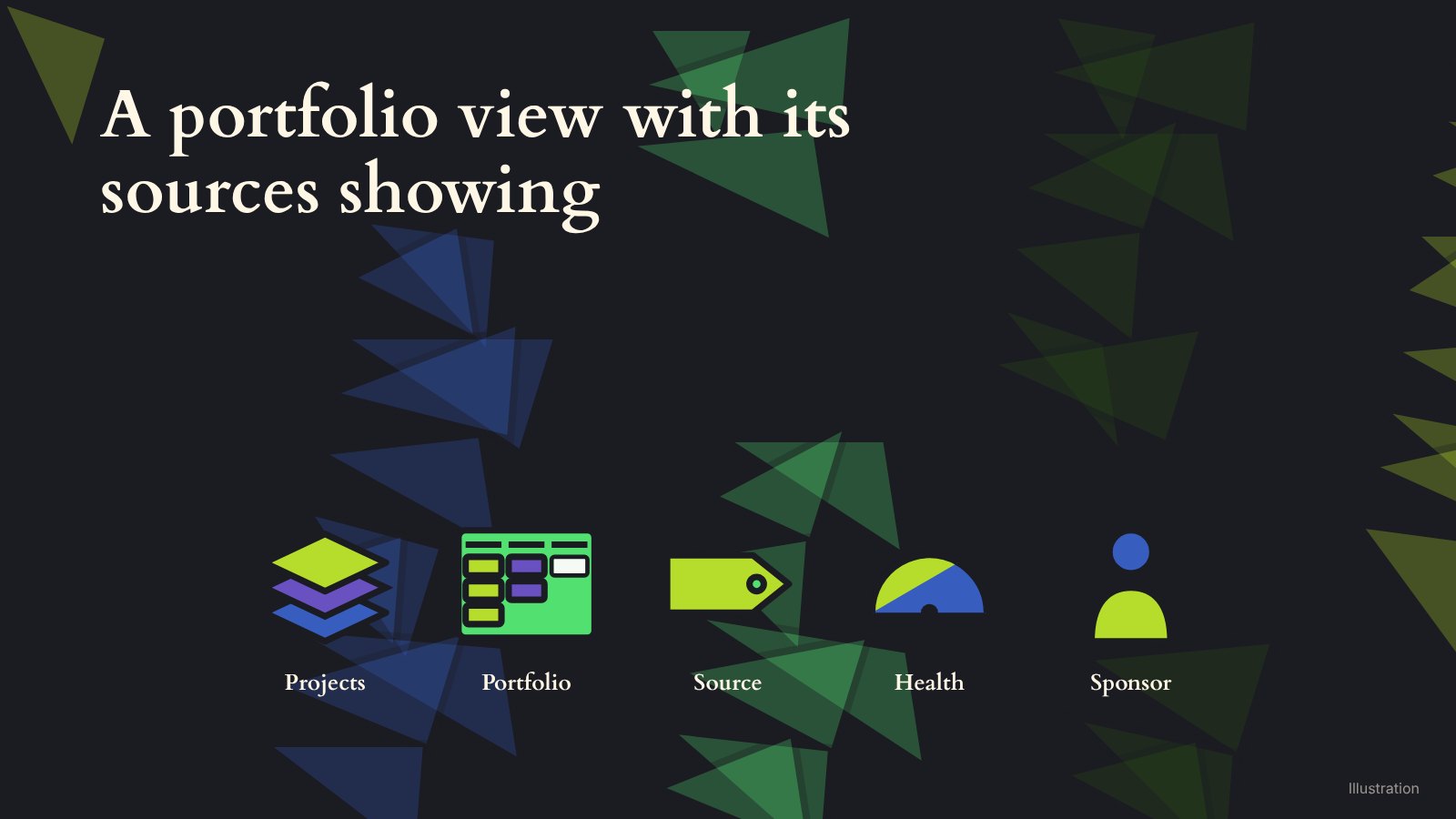
Anyone who runs several companies knows the Monday-morning problem: five sets of numbers, three currencies, two fiscal calendars, and one slide that pretends they add up. The AI General Manager shows every company in your portfolio with its own figures, linked from its TicketResolve workspace or imported, a health score you can check, targets, rankings and alerts, with totals kept per currency.
Every first Monday of the month, Ibrahim, the operating partner at a small investment firm, builds the portfolio slide. The firm holds stakes in five companies: a payroll software business in the UK, a dental-clinic chain in Ireland, an e-commerce brand in Germany, a logistics start-up in Poland and a recruitment agency in the US.
By lunchtime he has five sets of management accounts. Two arrive as PDFs, one as a spreadsheet, one in the body of an e-mail and one not at all, because the US company's finance manager is on holiday. The German company's fiscal year starts in April. Three currencies are involved.
The slide he produces shows "Portfolio revenue: €8.4M". To get there, he converted pounds and dollars at that morning's rate, used the US company's figure from two months ago because this month's was missing, and added the full revenue of companies the firm owns 30% of to companies it owns 100% of.
The partners read the number and nod. Nobody asks how it was made, and Ibrahim would rather they didn't.
First, the basics
- A portfolio is a group of companies you own or run, in whole or in part.
- Ownership share is how much of a company you own. 30% ownership means 30% of its profits are yours.
- Reporting currency is the currency a company keeps its books in. A fiscal year is its financial year, which may not start in January.
- Monthly totals include revenue (income from sales), gross profit (revenue minus the direct cost of sales), operating expenses (running costs), net income (final profit), cash, receivables (money owed to the company) and payables (money it owes).
- Runway is how long the cash lasts at the current rate of spending.
- A health score summarises how a company is doing across several dimensions.
- Statutory consolidation is the formal, accounting-standard way of combining group accounts. A proportionate view simply multiplies each company's figures by your share; it's useful, but it isn't the same thing.
Why does this matter? Decisions about where to invest, who needs help and which leaders are performing all start from the portfolio numbers. If those numbers mix currencies, guess at missing months and blur ownership, the decisions rest on something that isn't true.
The problem, in plain terms
- Figures arrive in different formats, late or not at all.
- Currencies are converted with whatever rate is handy, and the result looks precise.
- Missing months are filled with old figures without saying so.
- Ownership is ignored: a 30% stake is added as if it were 100%.
- Health is a feeling, not a score anyone can check.
- Alerts come from noticing, if someone notices.
Each company keeps its own figures
A company in the portfolio has its own profile: legal name, classification, lifecycle stage, ownership share, leader, reporting currency and fiscal year.
Its figures come from one of two places:
- Linked from TicketResolve. If it runs on TicketResolve, someone who is an owner or admin of its workspace links it and agrees to share it. From then on its monthly totals (revenue, gross profit, operating expenses, net income, cash, receivables and payables) are read from its AI CFO ledger every day. Never the ledger lines, never customers, never payroll. If that person later loses the role, syncing pauses.
- Reported. Companies that don't run on TicketResolve report monthly, by hand or by CSV, with a note of where the figures came from.
Totals that don't pretend
The command center adds up the month for every company that has figures for it, per currency. Nothing is converted, because there's no exchange rate it could defend. A company without figures for the month is named, not guessed.
Next to the totals sits an ownership-weighted view: each company's figures times the share you own. It's labelled for what it is: a proportionate view, not a statutory consolidation.
A health score you can argue with
Each company gets a health score from six dimensions: growth, profitability, cash, targets, customers and execution.
- Every dimension shows the number it used and how it was scored.
- When there's no data for one, it's left out, and the score tells you how much of its weight was actually measured.
Rankings, the companies that need attention, the ones ahead of target and the alerts (a revenue fall, a short runway, profit turning negative, a jump in costs) are all calculated. No AI writes any of it.
A worked example, start to finish
Here's Ibrahim's first month with the AI General Manager.
Week 1, Monday. Under Companies → Add a company, he adds all five, each with its legal name, classification, lifecycle stage, ownership share (UK payroll 100%, Ireland 60%, Germany 30%, Poland 45%, US 100%), leader, reporting currency and fiscal year. The German company's fiscal year starts in April.
Monday, 11:00. The UK payroll business runs on TicketResolve. Its CFO, who is an admin of that workspace, opens the company and chooses Link a TicketResolve workspace, agreeing to share its monthly totals. They're read now, and every day after, from its AI CFO ledger. No ledger lines, customers or payroll come across.
Monday, 14:00. For the other four, Ibrahim sets up a CSV template. Each company's finance lead fills in the month's figures and where they came from ("management accounts, unaudited"). He imports them under Import figures.
Monday, 15:00. He sets annual targets on each company's page: revenue and operating profit for its fiscal year. Each company's own leader can't set them.
Second Monday. The command center for October shows:
- Totals per currency: GBP £1.9M (UK); EUR €3.4M (Ireland and Germany); PLN zł2.1M (Poland). Nothing converted.
- USD: no figures for October. The US agency is named as missing, not filled from an old month.
- Ownership-weighted view, labelled proportionate, not a statutory consolidation: Germany at 30% of its figures, Poland at 45%, Ireland at 60%.
Second Monday, 10:00. Health scores: the Irish clinic chain is 82; the Polish logistics start-up is 44, weakest in cash (runway 4.5 months) and profitability (operating loss). Its customers dimension has no data, so it's left out, and the score says 83% of its weight was measured.
10:05. The alerts, all calculated: Poland: short runway (4.5 months), Germany: revenue fell 18% month on month, US: no figures for October.
10:30. At the partners' meeting, Ibrahim shows the command center instead of a slide. When a partner asks why there's no single euro total, he explains: there's no rate it could defend, so each currency stands on its own. The conversation goes to Poland's runway and Germany's fall.
Two weeks later. The US figures arrive and are imported. The missing-figures note disappears.
Five more real-world scenarios
1. A linked workspace's admin leaves
Situation. The UK company's CFO, who linked the workspace, leaves and loses admin rights.
How TR handles it. Syncing pauses until someone who is an owner or admin of that workspace links it again.
2. A partner wants one total in euros
Situation. A partner asks for "the portfolio in euros".
How TR handles it. Totals stay per currency. Nothing is converted, because there's no rate it could defend.
3. A company with no customer data
Situation. The recruitment agency doesn't report customer figures.
How TR handles it. The customers dimension is left out of its health score, and the score says how much of its weight was measured.
4. A company leader setting their own target
Situation. A managing director tries to lower their own annual target.
How TR handles it. The company's own leader can't set its targets.
5. Costs jump at one company
Situation. Operating expenses at the e-commerce brand rise sharply in one month.
How TR handles it. A calculated alert flags the jump in costs, so it's discussed while it's still one month.
Before and after
Before. A slide that converted currencies at that morning's rate, filled a missing month with an old one, and added 30% stakes as if they were whole companies.
After. Each company's own figures, with their source; totals per currency; missing companies named; a labelled ownership-weighted view; a health score that shows its working; and calculated alerts.
How to tell it's working
- Every company has figures each month, or is named as missing.
- Nobody presents a converted total as if it were measured.
- Health scores show how much was measured, and gaps are filled with real data.
- Alerts are discussed at the portfolio meeting.
Who it's for
- Operating partners and portfolio managers at investment firms.
- Holding group leaders with several companies in different countries.
- Group finance teams who collect and present portfolio figures.
How it fits with the rest of TicketResolve
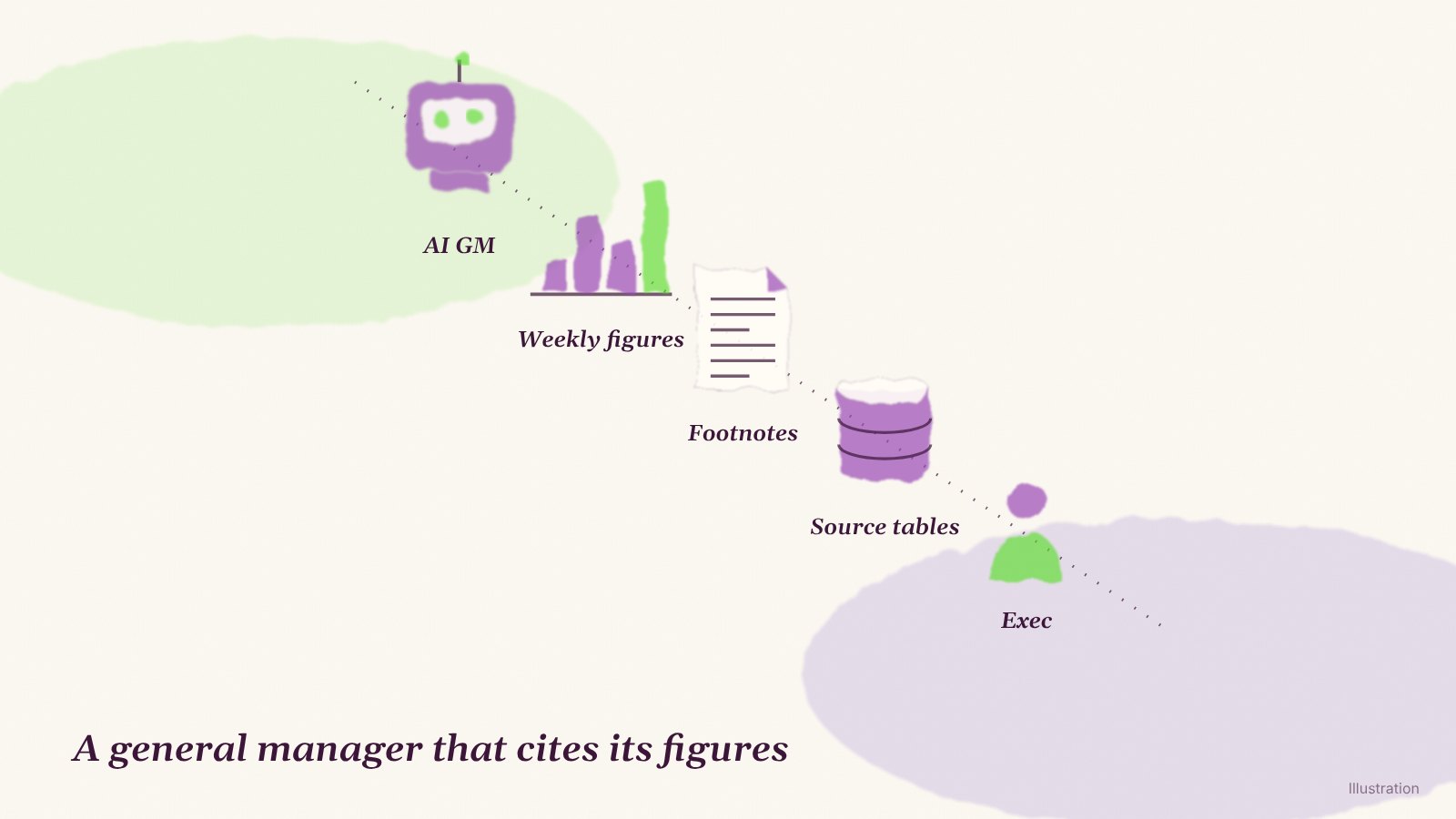
Companies that run on TicketResolve share monthly totals from the AI CFO ledger. This was the first release of the AI General Manager. Next came strategy, capital allocation with approvals, interventions and M&A, then a General Manager assistant that cites the same figures.
Mistakes to avoid
- Importing figures without a source note. The note is how others know what they're reading.
- Treating the proportionate view as consolidated accounts. It's labelled for a reason.
- Ignoring how much of a health score was measured. A score based on half its weight is a different thing.
Do it in TicketResolve, step by step
Where: AI General Manager → Companies and Command center (/dashboard/gm/companies). You'll need: a General Manager seat; to link a company, you must be an owner or admin of its TicketResolve workspace. Full guide: Setting up your portfolio.
- Add a company. Companies → Add a company. Give its legal name, classification, reporting currency, fiscal year start, ownership share and leader.
- Link its workspace. If it runs on TicketResolve and you're an owner or admin of its workspace, open the company → Link a TicketResolve workspace, and agree to share its monthly totals. They're read now and every day after.
- Or record its figures. For an external company, record a month's figures on its page with where they came from, or import many companies and months from CSV under Import figures.
- Set targets. On the company's page → Annual targets: revenue, operating profit, net income, EBITDA or customers for a fiscal year. The company's own leader can't set them.
- Read the command center. The month's totals per currency, each company's health score, rankings, who needs attention and the alerts.
How to check it worked: every company appears with figures for the month or is named as missing, totals are shown per currency, and each health score shows how much of its weight was measured.
The AI General Manager is $199 per General Manager seat a month, with any number of companies, and it's in the 7-day free trial.
Frequently asked questions
What does a linked workspace share? Monthly totals from its AI CFO ledger. Never the ledger lines, customers or payroll.
Who can link a workspace? An owner or admin of that workspace, who agrees to share it.
Are currencies converted? No. Totals are kept per currency.
What happens when a company has no figures for the month? It's named as missing, not guessed.
Is the ownership-weighted view a consolidation? No. It's labelled as a proportionate view, not a statutory consolidation.
How is the health score calculated? From six dimensions, each showing the number it used and how it was scored.
Is AI used for alerts or rankings? No. They're all calculated.
Can a company's leader set its targets? No.
Explore Topics
Written by
Ghulam Shabbir
Content creator and writer sharing insights and stories.